Executive Summary: This article explains what copyright trolls are, usually companies like Copytrack or CopyCat that send payment demands for alleged unauthorized use of images. It outlines how these claims work, when they might be legitimate, and when they’re not. It advises recipients to verify ownership, request proof, and avoid immediate payment until the facts are confirmed. The post also includes practical steps to prevent future issues, such as using properly licensed media and strengthening contracts with vendors.
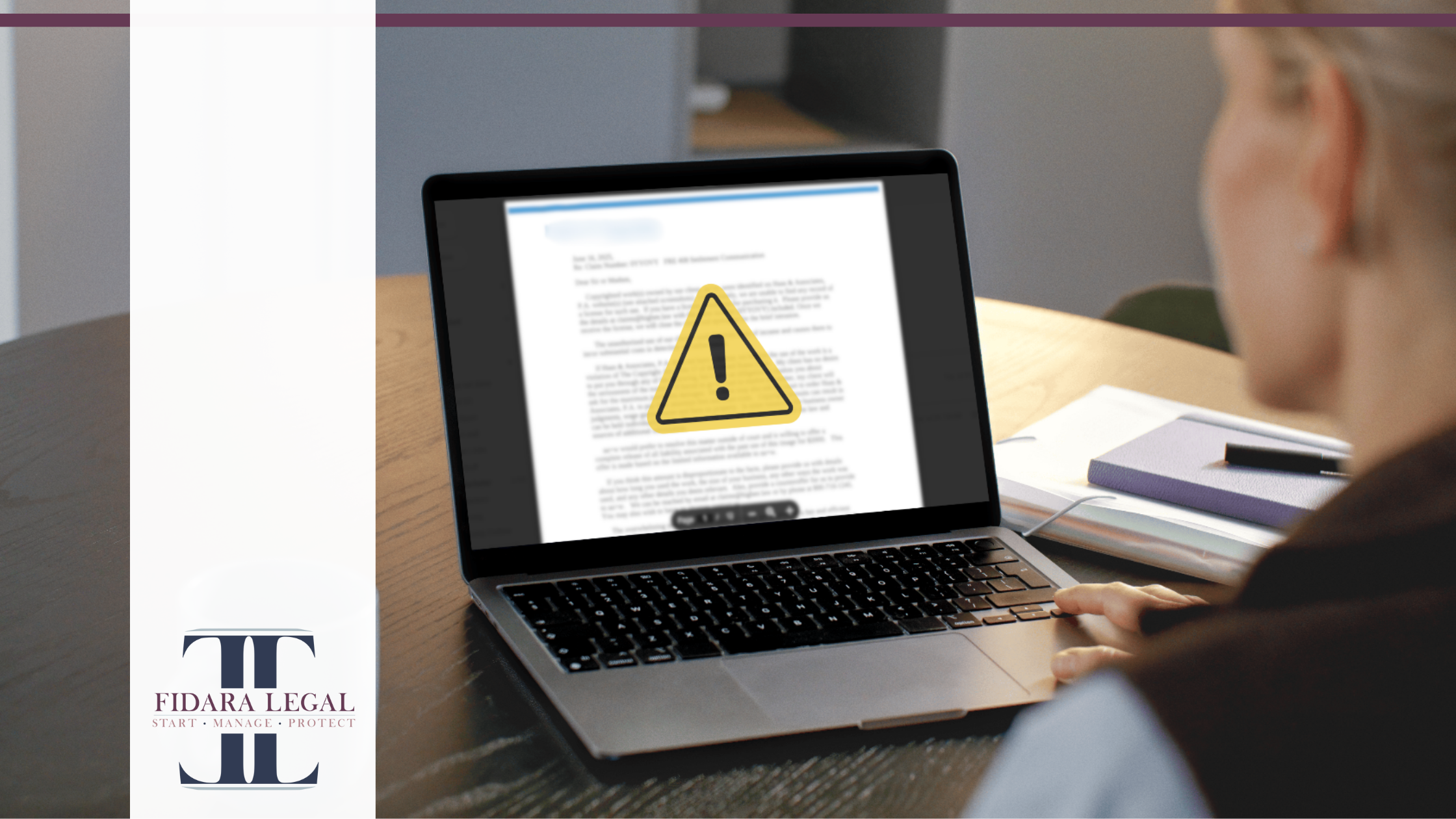
You open your inbox and see a message from a company you’ve never heard of, like Copytrack, CopyCat, PicRights, or another “copyright enforcement agency.” The subject line accuses you of using a photo without permission and demands hundreds or even thousands of dollars in compensation.
If that sounds familiar, you’re not alone. Countless creators, business owners, and influencers have received these types of emails. Some are legitimate. Many are not. Knowing the difference and how to respond can save you both time and money.
What Is a Copyright Troll?
A “copyright troll” is a company or individual that uses copyright law to demand payment for alleged infringements, often through mass-automated claims. These entities legally own or represent the rights to images, videos, or digital assets and monitor the internet for unauthorized use.
When they find something that looks like an infringement, like a photo pulled from Google Images or a stock site, they send a demand letter asking for immediate payment. These messages usually sound urgent and intimidating, threatening legal action if you don’t comply.
The problem is that not every claim is valid, and many rely on recipients panicking and paying quickly rather than verifying the facts.
How Copytrack and Similar Companies Operate
Copytrack is one of the most well-known copyright enforcement platforms. The company represents photographers, artists, and stock photo libraries, scanning websites for matches to copyrighted images. When Copytrack finds an image it believes was used without permission, it automatically sends a settlement demand, often between $300 and $1,000, depending on the image and jurisdiction.
Sometimes, the image really was used without proper licensing. Other times, it may have come from:
- A designer or contractor who used it without telling you.
- An old blog post or marketing material pulled from a template.
- A “free” stock photo site that didn’t actually have the right to distribute it.
These situations can be frustrating because the claim isn’t always clear about how or when the alleged infringement occurred, just that you’re responsible.
When the Claim Is Legitimate
There are times when the claim is valid. If the image truly belongs to a photographer or licensing agency and you used it without authorization, even unknowingly, you may be liable under copyright law.
In those cases, paying a fair settlement or licensing fee may be the most cost-effective way to resolve the matter. Fighting a legitimate claim in court can cost far more than settling early.
However, before paying anything, confirm the following:
-
- Who actually owns the copyright? Ask for proof of registration or ownership.
- Where and how was the image used? Verify whether it appeared on your website, in marketing materials, or through a third party.
- Was the image publicly available or marked as free? Screenshots and metadata can help your case if you acted in good faith.
- Do you have a license to use the work? Sometimes the third-party you hired to create the material containing the alleged infringing work has a license to use the image.
When the Claim Is Not Legitimate
Many copyright troll claims rely on vague or misleading information. You may receive multiple follow-ups demanding payment without clear evidence of infringement. Sometimes, the sender doesn’t even own the image they claim to represent. Other times the copyright is not even registered, which limits enforcement rights.
If the company refuses to provide documentation or threatens extreme legal consequences for minor infractions, that’s a red flag. In those cases, you may not owe anything, and responding strategically (not emotionally) is key.
Avoid these mistakes:
- Don’t immediately pay without confirming the facts.
- Don’t admit wrongdoing or send a detailed explanation before reviewing the claim.
- Don’t ignore the letter entirely. It’s better to acknowledge receipt and investigate than to go silent.
How to Protect Yourself Moving Forward
The best defense against copyright trolls is prevention and documentation. Here’s how:
- Use licensed images only. Stick to reputable stock sites like Adobe Stock, Shutterstock, or Pexels. Keep your license receipts.
- Audit your website and content. Remove any questionable media, especially from older posts or contractors.
- Add indemnification clauses to contracts. If a freelancer or agency provides images, make sure they confirm in writing that all assets are properly licensed.
- Keep proof of permissions. Save emails, invoices, and screenshots of licensing terms for future reference.
This kind of recordkeeping can make a huge difference if you ever need to dispute a claim.
When to Get Legal Help
If you receive a demand letter from Copytrack, CopyCat or any copyright enforcement agency and aren’t sure what’s real and what’s not, professional guidance can help you determine the right response. Some claims deserve pushback; others are better resolved quickly. Either way, understanding your rights and having the right language in your contracts can prevent repeat issues in the future.
If you’ve received a copyright demand or want to ensure your business is legally protected against these kinds of disputes, Fidara Legal can help. We review claims, advise on response strategies, and ensure your content and contracts are structured to protect your rights and your revenue.